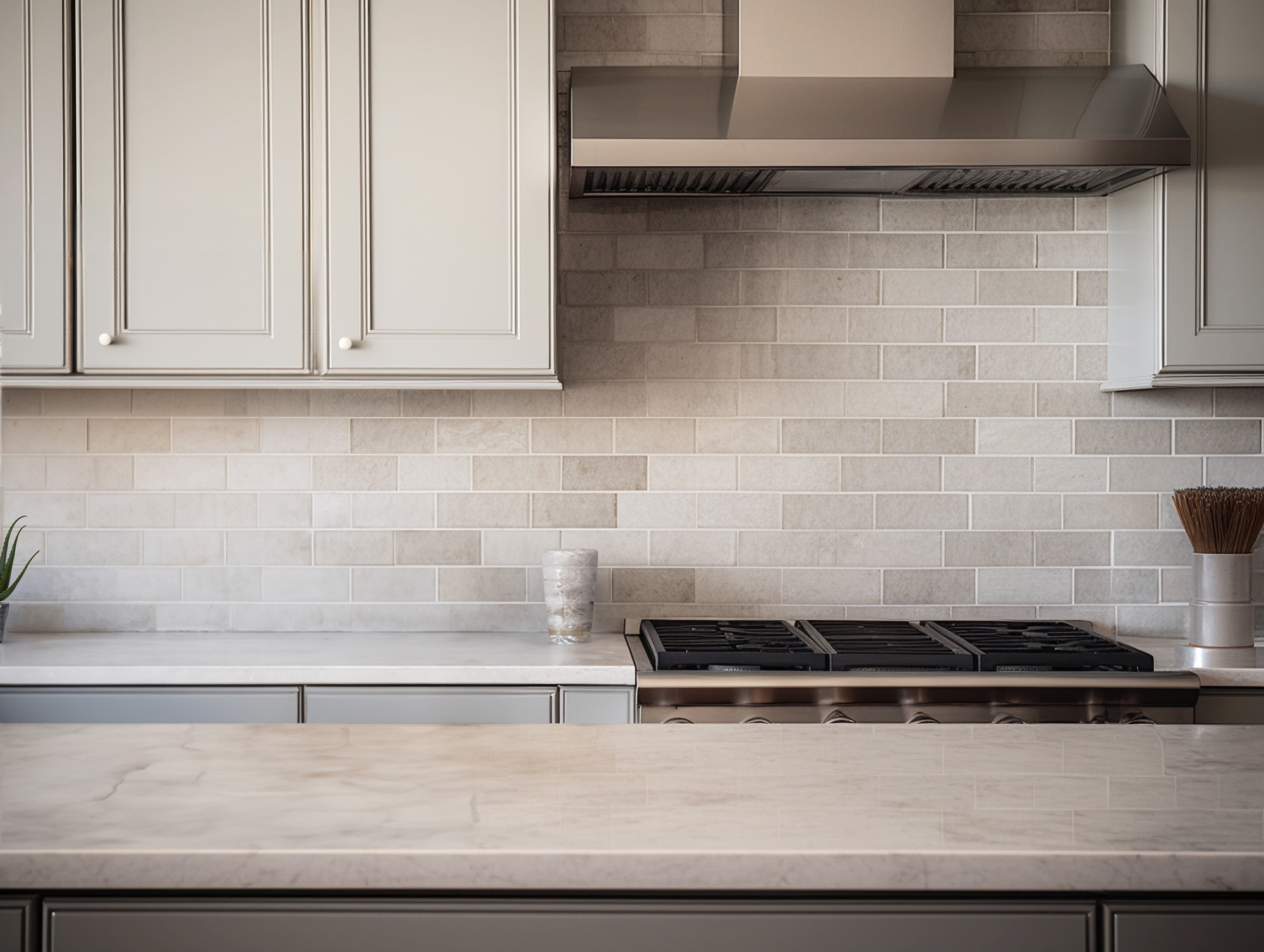
Many homeowners choose cabinets based on a showroom sample under perfect lighting. Then daily life begins. Fingerprints collect around pulls. Steam settles near the range. Grease hangs in the air. Hard water dries around the sink wall cabinets. Suddenly the “beautiful finish” feels high-maintenance.
The right cabinet finish should support the way the kitchen is actually used. That means looking past color trends and focusing on sheen, texture, door style, and material performance in wet and high-touch areas.
Start with the real problem: visible residue
Not all residue shows up the same way. Fingerprints leave skin oils. Steam creates moisture cycles. Grease builds a film. Hard water leaves mineral marks. Different finishes reveal these in different ways.
Highly reflective surfaces tend to show more contrast. Flat, textured, or lower-sheen finishes often disguise minor residue better because they break up reflected light. That does not mean every matte finish is superior. It means the finish has to match the room conditions and the cleaning habits of the household.
Best finish choice for fingerprints: low-sheen painted or textured surfaces
Fingerprints show most on very dark, smooth, reflective finishes. They are especially noticeable on slab doors in black, charcoal, espresso, navy, and some deep greens if the sheen is high enough to catch hand oils.
Finishes that usually hide fingerprints better include:
satin or soft-matte painted finishes
wood grain textures with low reflectivity
medium-tone stains with natural variation
brushed or wire-textured surfaces
The reason is simple. Visual texture interrupts the outline of smudges. Lower sheen also reduces the sharp contrast that makes touch marks obvious.
Best finish choice for grease-prone kitchens: durable, wipeable surfaces
Near the cooktop, the priority is not only appearance. It is cleanability. Grease accumulates gradually, especially on upper doors beside or above the cooking zone. A finish that hides grease but is difficult to clean is not a win.
Good candidates include:
quality painted finishes with durable topcoats
stain-and-seal wood finishes with smooth wipe-down surfaces
thermofoil or laminate in the right applications
professionally finished cabinetry designed for kitchen use
What matters is a finish that can be cleaned regularly without softening, discoloring, or becoming patchy. Very open-grain or deeply rustic textures can sometimes trap grime at the surface if they are too aggressive for the location.
Best finish choice for steam exposure: stable materials and smart placement
Steam affects cabinets most around dishwashers, coffee stations, kettles, and ranges. Repeated moisture exposure can stress seams, edges, and low-quality substrates over time. Finish choice matters, but so does cabinet construction.
In steam-prone areas, homeowners should think about:
finish durability at exposed edges
quality of door and drawer front construction
proximity to dishwashers and venting paths
whether the range hood actually removes moisture effectively
A beautifully finished cabinet can still struggle if steam is allowed to hit the same edge every day with poor ventilation. The finish is one layer of defense, not the only one.
Hard water spotting is mostly a sink-zone issue
If your sink area gets splashed often, cabinet finish around that section deserves special attention. Hard water spots show most on darker smooth finishes because the mineral residue dries pale and chalky.
Finishes that tend to perform better visually near sink zones include:
mid-tone wood stains
warm painted colors with soft sheen
finishes with a bit of grain or brush character
lighter neutrals that reduce contrast
This is one reason many families choose a slightly more forgiving finish than the one they originally pinned online. The sink wall is a work zone, not a magazine spread.
Door style matters more than people think
A slab door and a shaker door in the same color can behave very differently visually. Slab fronts offer a large uninterrupted surface, so every smudge reads more clearly. Shaker doors break the face into smaller areas and often make residue less obvious from normal viewing distance.
That does not mean shaker is always better. It means practical concealment comes from the combination of color, sheen, and profile. The most maintenance-friendly look is often a medium-tone finish on a door style that adds just enough dimension without becoming busy.
The safest choices for busy kitchens
For many households, the most forgiving cabinet finish tends to be one of these:
soft white or warm greige in satin or matte
medium natural wood stain with grain variation
taupe, mushroom, or muted earthy painted finishes
textured laminates or durable specialty surfaces in practical zones
These choices age well visually because they do not scream for attention every time the light shifts or someone opens the pantry with wet hands.
What to avoid if low maintenance is the goal
Homeowners who want less visible mess should be cautious with:
very dark glossy finishes
ultra-flat solid colors with high reflectivity
stark bright white near heavy splash zones without proper planning
delicate finishes selected only for trend value
Some finishes are stunning, but they ask for more upkeep. There is nothing wrong with that if the buyer expects it. Problems start when a homeowner wants easy maintenance but chooses a finish that performs like display furniture.
Choose for your habits, not just your inspiration board
The best finish is the one that still looks good between cleanings. That usually means balancing aesthetics with surface behavior, lighting, cooking style, and how much traffic the kitchen actually gets.
The company provides personalized design support, works across multiple cabinet lines, and serves homeowners in Bourbonnais, Kankakee, Manteno, and Watseka.
If you are comparing cabinet colors and finishes and want help choosing something beautiful that also works in real life, contact us to visit the showroom or set up your free in-home measure and estimate.