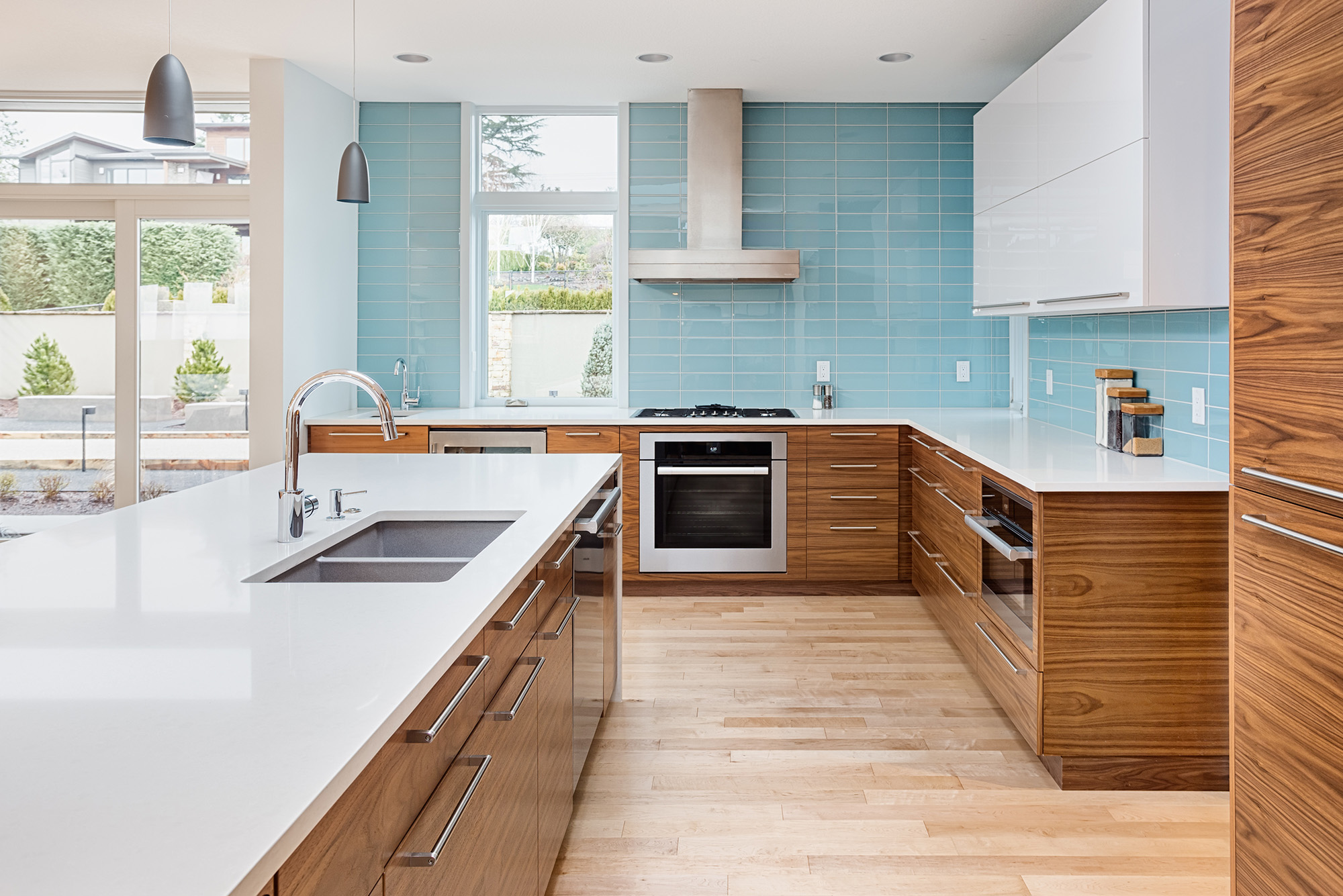
Cabinets are one of the biggest cost decisions in a kitchen remodel, but the real question is not “custom or semi-custom?” The better question is whether the cabinet choice will actually fix what is wrong with the kitchen. A lower-cost cabinet can still be the right call if the layout is straightforward, the walls are reasonably square, and the storage needs are simple. A higher-cost cabinet only makes sense when it solves a problem that a standard cabinet box cannot handle well.
For Bourbonnais homeowners, that often comes down to fit, flow, and daily use. If the kitchen has awkward corners, short wall runs, old soffits, uneven walls, or a layout that has been modified over time, cabinet selection becomes more technical. Paying more should buy better use of space, cleaner installation, stronger construction, and a kitchen that feels easier to live in every day.
Where Semi-Custom Cabinets Make Sense
Semi-custom cabinets are a strong middle ground for many kitchen remodels. They usually offer a defined range of sizes, door styles, finishes, drawer options, and storage accessories. That gives homeowners more flexibility than basic stock cabinets without the full cost and production time of a fully custom build.
This option works well when the existing kitchen footprint is mostly staying the same. If the sink, range, refrigerator, windows, and doors are not moving, semi-custom cabinets can often deliver a polished result. The key is careful measurement. Fillers, end panels, crown molding, toe-kick details, and trim pieces must be planned properly so the finished kitchen looks intentional instead of patched together.
Where Custom Cabinets Earn Their Price
Custom cabinets start making sense when the room has problems that standard sizing cannot solve cleanly. Older homes around Kankakee County may have uneven floors, out-of-square corners, unusual wall lengths, or ceiling transitions that make off-the-shelf sizing feel clumsy. In those situations, custom cabinetry can avoid oversized fillers, dead corners, awkward gaps, or wasted inches around appliances.
Custom also helps when storage has to be designed around real habits. A serious home cook may need deep drawer banks, tray dividers, spice pull-outs, mixer storage, vertical sheet-pan storage, and a better trash-and-recycling center. A family kitchen may need a drop zone, hidden charging drawer, pantry wall, or extra-wide drawers for lunch containers and school supplies. Paying more is worth it when the design removes daily friction.
The Construction Details That Matter
Cabinet pricing is not only about the door style. The box construction, drawer slides, hinge quality, finish durability, shelf thickness, and installation method all affect how the kitchen performs after the excitement of the remodel wears off. Full-extension slides, soft-close hardware, solid backs, stronger drawer boxes, and properly supported heavy drawers are details homeowners feel every day.
Finish quality matters too. Painted cabinets can look beautiful, but they may show chips more easily in high-use homes. Stained wood can be more forgiving, especially in warm oak, maple, cherry, hickory, or walnut tones. Laminate and textured finishes can be practical for busy families. The best choice depends on how the kitchen is used, not just what looks good under showroom lighting.
When Paying More Does Not Fix the Kitchen
A more expensive cabinet will not solve a bad layout by itself. If the refrigerator blocks a walkway, the island is too close to the perimeter cabinets, or the dishwasher opens into the main prep zone, cabinet quality will not fix the daily annoyance. Before upgrading materials, the design should answer the functional questions first.
The same is true for countertops. A premium quartz surface placed over poorly planned cabinets can still leave the kitchen feeling cramped, cluttered, or difficult to clean. Cabinet investment should follow the layout plan, not replace it. The smartest remodels begin with appliance clearances, storage zones, walkway widths, lighting, and countertop work areas before final cabinet finishes are selected.
A Practical Way to Decide
Start by separating design problems from material preferences. If the kitchen mainly needs a new look, semi-custom cabinets or cabinet refacing may be enough. If the kitchen needs better storage, cleaner appliance placement, or better use of awkward space, custom cabinetry may be the better long-term choice.
A simple decision checklist helps:
Choose semi-custom if the layout is simple and the wall dimensions work with standard sizes.
Choose custom if the kitchen has unusual measurements, tricky corners, or highly specific storage needs.
Upgrade hardware and drawer function before spending only on decorative details.
Fix workflow before choosing door color.
Compare the full installed result, not just cabinet box pricing.
The best cabinet choice is the one that fixes the kitchen you actually have. Semi-custom cabinets can be a smart, efficient option when the layout is clean and the storage needs are straightforward. Custom cabinets are worth considering when fit, function, and long-term usability matter more than simply refreshing the room.
At Heartland Cabinetry & More, homeowners can explore cabinet options, countertop pairings, flooring, and remodel details with a design team that understands how these choices work together. Visit Bourbonnais, IL for showroom guidance, product selection, and practical design support. Serving Bourbonnais, Kankakee, Manteno, Watseka, Bradley, and the surrounding areas, the team is ready to help you compare options and plan a kitchen that fits your home, your budget, and your daily routine. Contact us to schedule a design conversation.